
Hospitality & Tourism in RAK: Industry Guide for 2026
Published by WHO is WHO in RAKRas Al Khaimah, UAE
Ras Al Khaimah is emerging as the UAE's next major hospitality and tourism destination. With Al Marjan Island, Jebel Jais, Mina Al Arab, and the upcoming Wynn Al Marjan integrated resort, the emirate offers unprecedented opportunities for hoteliers, restaurateurs, adventure operators, and investors. This guide covers the full landscape — from development and licensing to marketing and sustainability.
RAK Tourism Overview
Ras Al Khaimah's tourism sector has grown steadily over the past decade, positioning the emirate as the UAE's nature-and-adventure destination. Unlike Dubai's urban luxury positioning, RAK markets mountain, desert, and coastal experiences — a differentiated offer that attracts families, adventure seekers, and eco-conscious travellers.
Key tourism assets include: Al Marjan Island (a man-made archipelago of four coral-shaped islands hosting beach resorts and the upcoming Wynn Al Marjan), Jebel Jais (the UAE's highest peak at 1,934 metres, home to the world's longest zipline and mountain trails), Mina Al Arab (a waterfront residential and resort community with mangroves and beaches), and Al Jazeera Al Hamra (a preserved heritage village showcasing pre-oil pearl-diving life).
The emirate's tourism strategy targets 3 million annual visitors by 2030, supported by new hotel supply, improved air connectivity through Ras Al Khaimah International Airport (RKT), and road infrastructure upgrades. The Wynn Al Marjan project alone is projected to attract 5.5 million visitors annually once operational.
Tourism at a glance
- Target visitors by 2030: 3M+
- Wynn Al Marjan visitors: 5.5M/year
- Peak season: November–March
- Key airports: RKT + DXB (60–90 min)
- Hotel rooms (existing): 4,000+
- Hotel rooms (pipeline): 2,000+
Hotel Development
RAK's hotel market spans luxury resorts, mid-scale family hotels, serviced apartments, and boutique properties. International brands already present include Intercontinental, Hilton, Rixos, Mövenpick, and Radisson. The pipeline includes additional luxury supply tied to Al Marjan Island and the Wynn project.
Development process: Hotel projects require coordination between RAKTDA (tourism licence and classification), RAKEZ or DED (commercial licence), the Municipality (building permits, fit-out approvals), and Civil Defence (fire safety). Environmental impact assessments may be required for coastal or mountain-adjacent projects.
Land acquisition: Hospitality development land is available through government allocation on Al Marjan Island, Mina Al Arab, and Al Hamra. Long-term lease structures (typically 25–50 years) are standard. Foreign investors can own 100% of the operating company through RAKEZ or mainland structures.
Financing: UAE banks offer project finance for hospitality developments, typically requiring 30–40% equity contribution. RAKTDA and federal investment bodies may provide incentives for developments aligned with strategic tourism goals.
Hotel categories
- Luxury resort (5-star)
- Boutique hotel
- Family resort
- Serviced apartments
- Budget / mid-scale
- Wellness / eco-lodge
Development steps
- Land allocation / lease
- Feasibility study
- RAKTDA tourism licence
- Building permits
- Construction and fit-out
- Classification inspection
- Soft opening
Restaurant and F&B Business
RAK's F&B sector is growing in tandem with tourism and residential development. Al Marjan Island, Mina Al Arab, Al Hamra, and the city centre each have distinct dining ecosystems. The emirate supports everything from fine dining and international franchises to casual cafés, food trucks, and cloud kitchens.
Licensing: Restaurants need a commercial licence (RAKEZ or DED) plus a food safety permit from the Municipality. Alcohol licences require additional approvals. Outdoor seating, shisha, and live entertainment each have specific permit requirements.
Location strategy: High-traffic tourist zones (Al Marjan Island, Jebel Jais base, hotel lobbies) command premium rents but deliver consistent visitor volume. Residential neighbourhoods (Al Hamra, Mina Al Arab) offer repeat-local trade at lower rents. Cloud kitchens in industrial zones serve delivery-only brands with minimal overhead.
Supply chain: RAK has established food distribution networks serving hotels and restaurants. Fresh produce comes from local farms (RAK has active agriculture in the north) and imports via Dubai's logistics hub. Cold chain infrastructure is well-developed for seafood and meat imports.
F&B formats
- Fine dining
- Casual restaurant
- Café / bakery
- Food truck
- Cloud kitchen
- Hotel F&B outlet
Typical startup costs
- Small café: AED 150k–300k
- Mid-size restaurant: AED 400k–800k
- Fine dining: AED 1M+
- Cloud kitchen: AED 80k–150k
- Food truck: AED 50k–100k
Adventure Tourism
Jebel Jais
The UAE's highest peak at 1,934m. Home to the world's longest zipline (Jais Flight), mountain hiking trails, cycling routes, camping sites, and the Jais Viewing Deck Park. New activities include via ferrata and paragliding.
Desert Experiences
Dune bashing, camel trekking, falconry displays, Bedouin-style camping, and night-sky astronomy tours. Desert operators serve both day-trip tourists and overnight adventure seekers.
Water Sports
Kayaking through mangroves, paddleboarding, jet skiing, and fishing charters operate from Mina Al Arab and Al Marjan Island. Scuba diving and snorkelling are expanding with reef restoration projects.
Golf
Al Hamra Golf Club offers an 18-hole championship course with coastal views. Golf tourism is a significant winter draw, with package deals combining accommodation, rounds, and dining.
Heritage Tourism
Al Jazeera Al Hamra heritage village, the National Museum of Ras Al Khaimah, and Dhayah Fort provide cultural and historical experiences. Heritage tourism appeals to educational and family segments.
Eco-Tourism
Mangrove conservation tours, birdwatching (RAK is on migratory routes), and sustainable farm visits are growing segments. Eco-certifications and partnerships with environmental NGOs add credibility.
Sustainability in Hospitality
Sustainability is no longer optional in UAE hospitality. Federal green building regulations (Al Safat), RAKTDA's sustainable tourism framework, and international brand standards all require environmental accountability. New developments that ignore sustainability risk permit delays and brand rejection.
Certifications: LEED, Estidama, and Green Key are the most recognised credentials. LEED is favoured by international brands; Estidama is the UAE's indigenous sustainability framework with Pearl Rating tiers. Green Key is specific to hospitality operations and signals eco-friendly practices to guests.
Operational sustainability: Water conservation (critical in the UAE's arid climate), energy efficiency through smart building management, waste reduction and recycling programmes, local sourcing where possible, and elimination of single-use plastics are standard expectations. Hotels that lead on sustainability attract media coverage and eco-conscious traveller segments.
Sustainability certifications
- LEED (building design)
- Estidama (UAE framework)
- Green Key (hospitality ops)
- EarthCheck (destination)
- ISO 14001 (environmental)
Licensing and Permits
Hospitality licensing in RAK involves multiple authorities. The primary regulators are: RAKTDA (tourism licences and hotel classification), RAKEZ or DED (commercial trade licences), Municipality (food safety, building permits, signage), Civil Defence (fire safety approvals), and Police / Liquor Licensing (alcohol permits where applicable).
Hotel licence: Apply to RAKTDA with a feasibility study, architectural plans, and management agreements. Classification inspection occurs pre-opening. Annual renewal requires compliance verification.
Restaurant licence: Commercial licence from RAKEZ or DED, plus Municipality food safety permit. Kitchen design must meet Civil Defence and health authority standards. Alcohol licences require separate approvals and are restricted to hotel premises and designated standalone venues.
Tour operator licence: RAKTDA issues licences for guided tours, desert safaris, and adventure activities. Operators must demonstrate insurance coverage, guide qualifications, and vehicle safety compliance.
Required permits
- RAKTDA tourism licence
- Commercial trade licence
- Food safety (Municipality)
- Fire safety (Civil Defence)
- Building / fit-out permit
- Signage permit
- Alcohol licence (if applicable)
- Music / entertainment permit
Marketing and Distribution
Hospitality marketing in RAK follows the same principles as the wider UAE but with lower competition and higher organic opportunity. A well-executed digital strategy can deliver dominant visibility for RAK-specific queries.
Direct bookings: Hotels should prioritise direct booking engines over OTA dependency. Commission rates for Booking.com and Expedia range from 15–25%. A direct booking strategy — driven by SEO, email marketing, and loyalty programmes — improves margins and guest data ownership.
OTAs and distribution: Despite the push for direct bookings, OTAs remain important for reach, especially for international audiences unfamiliar with RAK. Maintain rate parity and invest in OTA profile optimisation (photos, descriptions, review responses) to maximise ranking within each platform.
Social media and influencers: Instagram and TikTok are the primary visual discovery channels. Partner with UAE-based micro-influencers for authentic reach. Encourage guests to share content with branded hashtags. User-generated content outperforms brand-created assets on engagement metrics.
For a complete digital marketing strategy tailored to RAK, see our Digital Marketing in RAK guide.
Distribution channels
- Direct (website + email)
- Booking.com
- Expedia
- Airbnb (serviced apartments)
- Hotelbeds / B2B wholesale
- Travel agents (GCC, Europe, India)
Marketing priorities
- Google Business Profile
- Local SEO
- Instagram + TikTok
- Email retention
- Review management
Workforce and Talent
RAK's hospitality workforce is experienced, international, and more affordable than Dubai equivalents. International hotel brands in RAK recruit from established talent pools across the Middle East, South Asia, Southeast Asia, and Europe. Service standards are high — many staff have trained or worked in Dubai's premium properties before relocating to RAK for lifestyle or cost reasons.
Recruitment channels: Specialist hospitality recruitment agencies, online job portals, RAKEZ job fairs, and direct partnerships with hospitality schools (American University of Ras Al Khaimah, RAK Academy). Many hotels run management trainee programmes that build local leadership pipelines.
Labour compliance: UAE Labour Law (Federal Decree-Law No. 33 of 2022) governs employment contracts, working hours, leave, and end-of-service gratuity. Hospitality employers must provide health insurance, maintain accurate attendance records, and comply with Wage Protection System (WPS) salary transfers.
Key roles
- General Manager
- Revenue Manager
- F&B Director
- Executive Chef
- Front Office Manager
- Sales & Marketing Manager
- Housekeeping Manager
Investment and Financing
RAK hospitality investments range from small F&B outlets (AED 150k–300k) to mid-scale hotels (AED 20M–50M) and luxury resort developments (AED 100M+). The emirate's lower land and construction costs compared to Dubai improve project IRRs for equivalent revenue assumptions.
Financing sources: UAE banks (Emirates NBD, ADCB, RAKBANK, Mashreq) offer project finance, construction finance, and term loans for hospitality assets. Typical LTV ratios are 60–70% for established operators and 50–60% for first-time developers. Equity requirements are typically 30–40%.
Government incentives: RAKTDA and RAKEZ may offer land allocation incentives, expedited permitting, and promotional support for developments aligned with strategic tourism goals. Large-scale projects (Wynn Al Marjan scale) receive direct government partnership and infrastructure support.
Investment ranges
- Cloud kitchen: AED 80k–150k
- Restaurant: AED 300k–1M
- Boutique hotel: AED 10M–30M
- Resort: AED 50M–200M+
Success Stories from RAK Hospitality Leaders
WHO is WHO in RAK has interviewed hoteliers, resort managers, restaurant owners, and tourism executives who have built successful hospitality businesses in the emirate. Their experiences reveal consistent themes: lower costs than Dubai, a supportive government, and a tourism pipeline that rewards early movers.
Resort development: Leaders at Intercontinental, Rixos, and Mövenpick properties on Al Marjan Island and Al Hamra cite RAK's natural scenery as a key differentiator. Guests seeking mountain, desert, and beach experiences in one trip find RAK unique within the UAE. Resort operators emphasise the importance of pre-opening marketing — building anticipation 12–18 months before launch through social media, influencer partnerships, and PR.
Restaurant entrepreneurship: Independent restaurateurs in RAK highlight the lower rent and labour costs that allow experimentation with concepts that would be unaffordable in Dubai. Several successful RAK-born F&B brands have expanded to multiple locations within the emirate and are now eyeing Dubai and Abu Dhabi.
Adventure tourism: Operators at Jebel Jais and in the desert credit RAKTDA's marketing support and infrastructure investment for making adventure tourism commercially viable. The Jais Flight zipline alone has generated global media coverage worth millions in equivalent advertising.
Watch full interviews with hospitality leaders on WHO is WHO in RAK.
Watch interviews
Browse video interviews with RAK hospitality leaders for firsthand insights on development, operations, and growth strategies.
Browse all interviews →Hospitality FAQs
Common questions about hospitality and tourism business in Ras Al Khaimah.
Why is Ras Al Khaimah a good destination for hospitality investment?
RAK offers lower land and operating costs than Dubai, a growing tourism pipeline (Al Marjan Island, Jebel Jais, Mina Al Arab), and government incentives for hospitality development. The upcoming Wynn Al Marjan integrated resort is expected to draw millions of new visitors annually, creating downstream demand for hotels, restaurants, and experience operators.
What types of hospitality licences are available in RAK?
Hotels, resorts, and serviced apartments require a tourism licence from the Ras Al Khaimah Tourism Development Authority (RAKTDA). Restaurants, cafés, and F&B outlets need a commercial licence from RAKEZ or the DED plus food safety approvals from the Municipality. Event management and tour operators need activity-specific permits.
How much does it cost to open a restaurant in RAK?
A small restaurant or café in a commercial zone typically requires AED 150,000–300,000 in initial capital: licence and permits (AED 20,000–40,000), fit-out and equipment (AED 80,000–150,000), initial inventory and marketing (AED 30,000–50,000), and working capital (AED 20,000–60,000). High-end or waterfront locations cost significantly more.
What is the Wynn Al Marjan project and how will it impact RAK hospitality?
Wynn Al Marjan is a $3.9 billion integrated resort under development on Al Marjan Island. It will include a luxury hotel, casino (gaming), entertainment venues, and retail. Expected to open in 2027, it is projected to attract 5.5 million visitors annually and create thousands of direct and indirect jobs in hospitality, F&B, retail, and transport.
Are there sustainability requirements for new hotels in RAK?
Yes. The UAE has federal green building regulations (Al Safat) and RAKTDA encourages sustainable tourism practices. New developments often pursue LEED or Estidama certifications. Sustainability credentials are increasingly important for international brand partnerships and eco-conscious travellers.
What is the peak tourism season in RAK?
Winter (November–March) is the peak season, with mild temperatures (22–28°C) ideal for outdoor activities, beach resorts, and golf. Summer (June–September) is slower but attracts GCC families seeking staycations and adventure tourism at indoor or mountain venues. Ramadan and Eid holidays create additional seasonal peaks.
How do I hire staff for a hospitality business in RAK?
RAK has an established hospitality workforce with experience in international brands. Recruitment channels include: specialist hospitality agencies, online job portals (Bayt, GulfTalent), RAKEZ job fairs, and direct recruitment from hospitality schools. Visa sponsorship is handled through RAKEZ or the DED. Labour law requires health insurance and end-of-service gratuity for all employees.
What adventure tourism opportunities exist in RAK?
Jebel Jais offers the world's longest zipline, mountain hiking, cycling, and camping. The desert provides dune bashing, camel trekking, and falconry. The coast supports kayaking, paddleboarding, and mangrove tours. New operators are launching paragliding, via ferrata, and eco-tourism experiences.
Can foreign investors own 100% of a RAK hospitality business?
Yes. Hotels, restaurants, and tourism services can be 100% foreign-owned through RAKEZ free zones or mainland structures under recent federal reforms. Some strategic sectors may still require Emirati participation, but hospitality is generally fully open to foreign investment.
Where can I find hospitality leaders and suppliers in RAK?
WHO is WHO in RAK publishes video interviews with hoteliers, restaurant owners, tourism executives, and adventure operators based in Ras Al Khaimah. Browse the directory to identify partners, suppliers, and mentors before you invest.
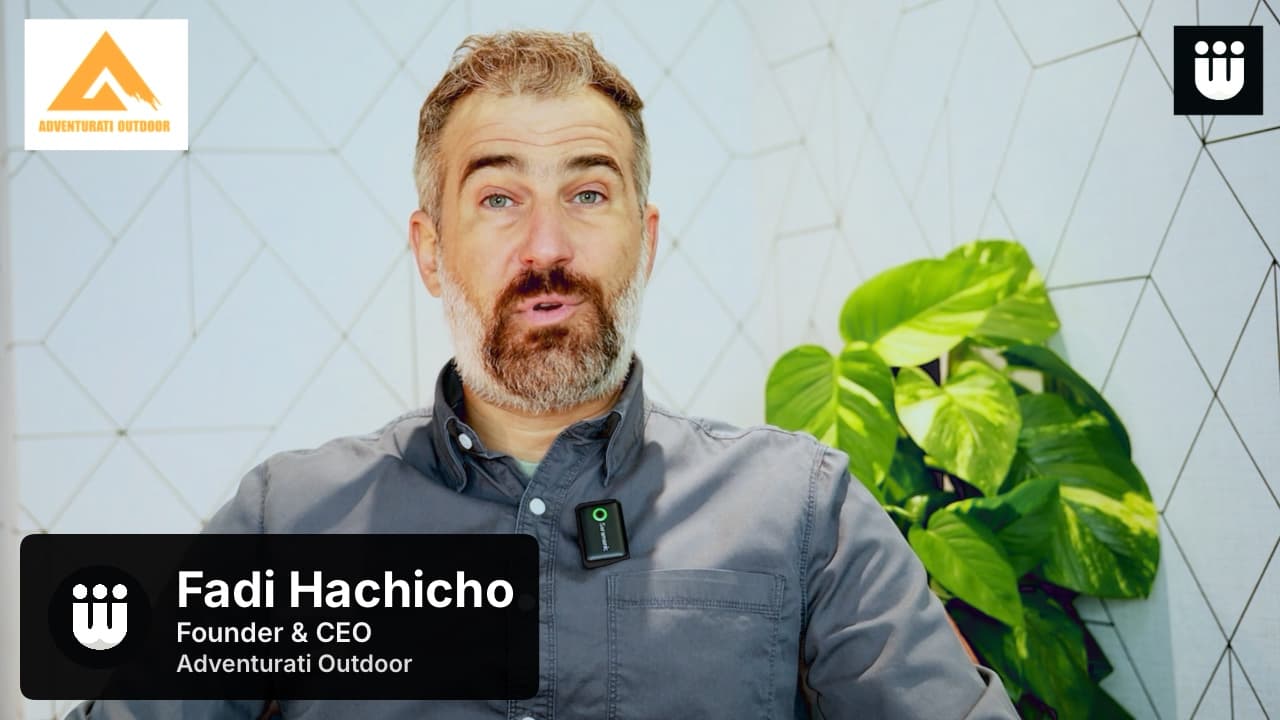
Featured RAK Hospitality Leaders
Learn from verified RAK business leaders who have built successful businesses in the emirate. Watch their full interviews for firsthand insights.

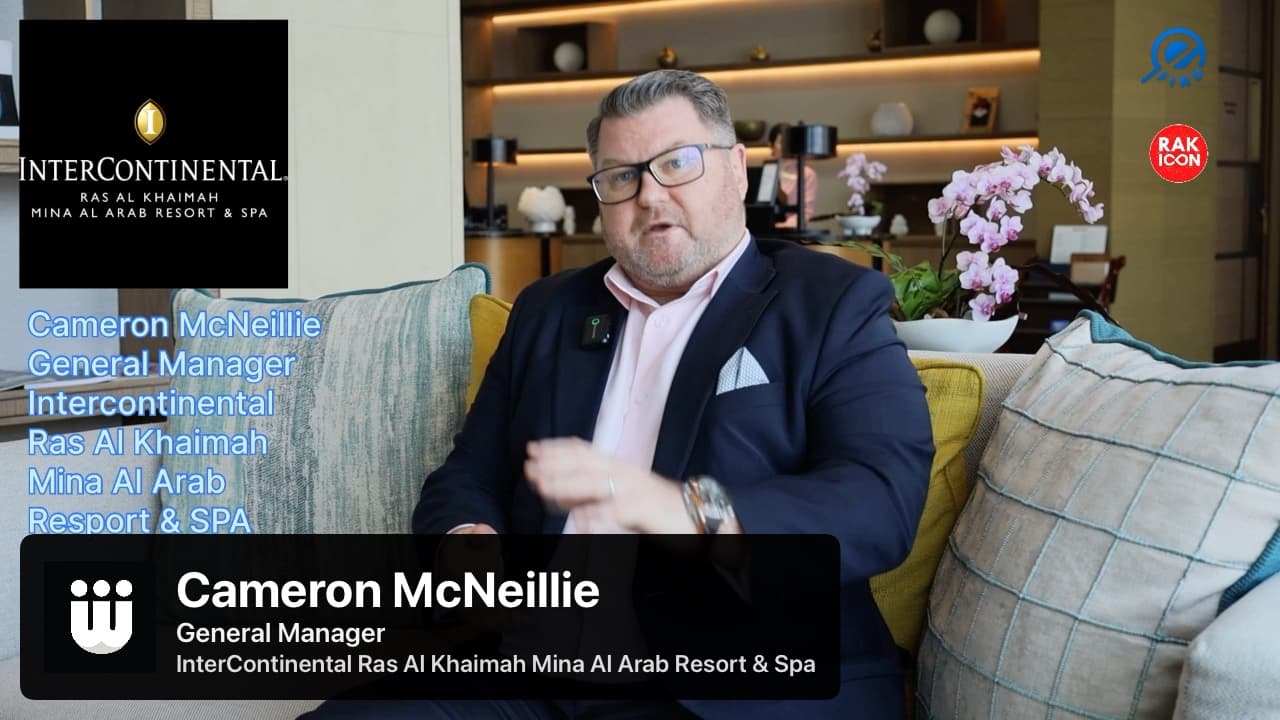
Cameron McNeillie
General Manager
InterContinental Ras Al Khaimah Mina Al Arab Resort & Spa
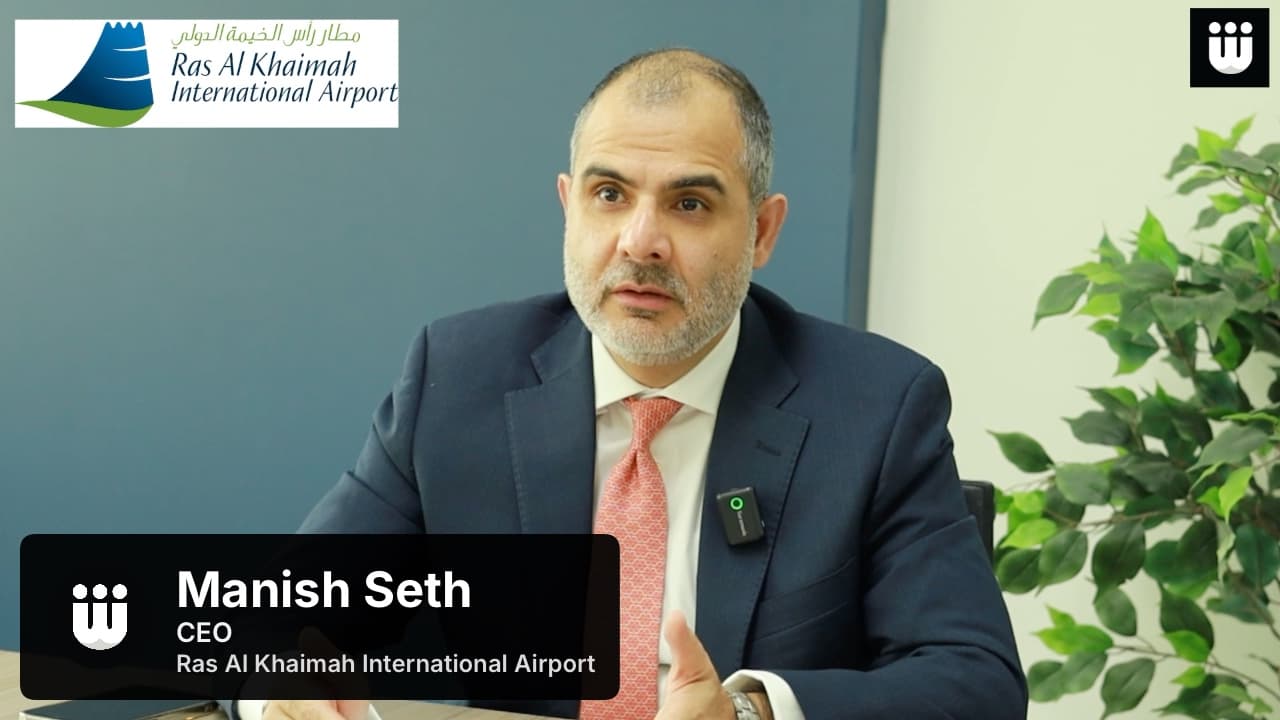
Connect with RAK hospitality leaders
Browse verified video interviews with hoteliers, restaurateurs, tourism executives, and adventure operators — then reach out directly.
Need Expert Help?
Get introduced to verified RAK business leaders who can help with hospitality and tourism in Ras Al Khaimah. Tell us what you need and we will match you within 48 hours.