
Digital Marketing in RAK: The Complete Guide for Local Businesses
Published by WHO is WHO in RAKRas Al Khaimah, UAE
Ras Al Khaimah is one of the UAE's fastest-growing digital marketing frontiers. With tourism expansion, SME growth, and the upcoming Wynn Al Marjan resort, local businesses need a clear digital strategy. This guide covers SEO, social media, paid advertising, content marketing, and real case studies from RAK-based agencies and leaders.
RAK Digital Landscape
Ras Al Khaimah's digital ecosystem is evolving rapidly. With a population of roughly 400,000 and an annual tourism influx in the millions, the emirate presents a unique mix of local resident audiences and transient visitor markets. This duality shapes every digital marketing decision.
The resident market is highly digital. Smartphone penetration is near-universal, social media usage exceeds global averages, and e-commerce adoption accelerated post-2020. Residents use Instagram, TikTok, and WhatsApp as primary discovery and communication channels. For B2B and professional services, LinkedIn is the dominant platform.
The tourism market is discovery-driven. Visitors plan trips through Google Search, TripAdvisor, Instagram location tags, and TikTok travel content. Hotels, restaurants, and experience operators must optimise for both search intent and visual social discovery. The Wynn Al Marjan opening will introduce a new wave of high-spend international tourists who research extensively online before booking.
Key platforms by audience:
- B2B / Professional: LinkedIn, Google Search, industry newsletters
- Consumer / Lifestyle: Instagram, TikTok, Google Maps, YouTube
- Tourism / Hospitality: Google Search, TripAdvisor, Instagram, TikTok
- Real Estate: Property portals (Bayut, Property Finder), LinkedIn, Google
Digital stats (RAK / UAE)
- Smartphone penetration: ~96%
- Social media users: ~10M+ UAE-wide
- Instagram usage: 70%+ of 18–34 cohort
- TikTok growth: fastest-growing platform
- Google Search: primary research tool
SEO for RAK Businesses
Search engine optimisation in RAK offers an unusual opportunity: strong commercial intent with lower competition than Dubai or Abu Dhabi. Keywords like "hotels in Ras Al Khaimah," "RAKEZ business setup," "Jebel Jais zipline," and "restaurants Al Marjan Island" have clear buyer intent and are achievable for well-structured local businesses.
Local SEO is critical. Google Business Profile optimisation, consistent NAP (name, address, phone) citations across UAE directories, and location-specific landing pages drive the majority of local discovery. Hospitality businesses that maintain active profiles with photos, review responses, and weekly posts consistently outrank passive competitors.
Technical SEO fundamentals apply universally: fast loading (Core Web Vitals), mobile-first design, structured data markup (LocalBusiness, Hotel, Restaurant, FAQ), HTTPS, and XML sitemaps. RAK's tourism audience is predominantly mobile, so page speed and mobile usability directly impact rankings and conversions.
Content strategy for RAK SEO should target the full funnel: informational content ("best things to do in RAK"), commercial investigation ("RAK hotel comparison"), and transactional ("book Jebel Jais zipline"). Seasonal content tied to winter tourism peaks, Ramadan, and Eid holidays captures predictable search spikes.
High-value RAK keywords
- "hotels in Ras Al Khaimah"
- "RAKEZ business setup"
- "Jebel Jais zipline"
- "Al Marjan Island resort"
- "restaurants in RAK"
- "RAK real estate"
- "things to do in RAK"
SEO priority checklist
- Google Business Profile optimisation
- Location landing pages
- Structured data (LocalBusiness, FAQ)
- Mobile-first design
- Core Web Vitals < 2.5s LCP
- Bilingual content (EN + AR)
Social Media Strategy
Social media is the dominant discovery channel for RAK's tourism and lifestyle sectors. Instagram and TikTok are visual platforms perfectly suited to RAK's scenic content — Jebel Jais mountain views, Al Marjan Island sunsets, desert adventures, and resort experiences generate high engagement rates when captured authentically.
Instagram strategy: Focus on Reels for reach, Stories for engagement, and carousel posts for detail. Use location tags (Al Marjan Island, Jebel Jais, Mina Al Arab) and UAE-specific hashtags (#RasAlKhaimah #VisitRAK #JebelJais #AlMarjanIsland). Post consistently 4–7 times per week. Collaborate with UAE-based micro-influencers for authentic reach.
TikTok strategy: TikTok's algorithm rewards novelty and authenticity. Short-form videos showing behind-the-scenes hospitality operations, adventure activities, and "day in RAK" content perform well. The platform is particularly effective for reaching younger GCC tourists and international Gen-Z travellers.
LinkedIn strategy: For B2B, professional services, and RAKEZ business development, LinkedIn is unmatched. Publish thought leadership on RAK's economic growth, share client success stories, and engage with RAKEZ and government pages. LinkedIn Ads allow precise targeting by job title, company size, and industry — ideal for consultants and agencies seeking corporate clients.
Content pillars for RAK businesses:
- Education: how-to guides, tips, industry insights
- Behind-the-scenes: team, operations, culture
- User-generated content: reviews, testimonials, guest photos
- Seasonal: winter tourism, Ramadan, Eid, summer escapes
- Community: local events, partnerships, CSR
Platform priorities
- B2B: LinkedIn > Google > Twitter/X
- B2C: Instagram > TikTok > Google
- Tourism: TikTok > Instagram > Google
- Real Estate: Property portals > LinkedIn > Google
Posting cadence
- Instagram: 4–7x / week
- TikTok: 3–5x / week
- LinkedIn: 2–4x / week
- Stories: daily
Paid Advertising
Paid advertising in RAK benefits from lower cost-per-click (CPC) and cost-per-thousand-impressions (CPM) than Dubai. Google Ads CPCs for RAK hospitality keywords are typically 30–50% lower than equivalent Dubai terms. Meta (Facebook/Instagram) CPMs follow a similar pattern, making RAK an efficient testing ground for new campaigns.
Google Ads: Focus on high-intent keywords: "book hotel RAK," "RAKEZ licence cost," "restaurants near Al Marjan Island." Use location extensions, call extensions, and sitelink extensions to maximise local relevance. Performance Max campaigns can supplement search with display, discovery, and YouTube inventory.
Meta Ads (Facebook + Instagram): Use detailed targeting by location (RAK + Dubai + Abu Dhabi + GCC), interests (travel, luxury, adventure), and lookalike audiences built from existing customer lists. Carousel ads work well for hotel room showcases and restaurant menus. Reels placement is increasingly cost-effective for reach.
TikTok Ads: Spark Ads (boosting organic posts) and In-Feed Ads perform best for tourism and lifestyle. Target by interest (travel, adventure, luxury) and behaviour (engaged shoppers). TikTok's algorithm learns quickly — start with small daily budgets (AED 100–200) and scale winners.
LinkedIn Ads: For B2B targeting, use sponsored content and message ads. Target by job function (CEO, Marketing Director, HR Manager), company size, and industry. LinkedIn is more expensive per click but delivers higher-quality leads for professional services and corporate training.
Ad budget ranges
- Small business: AED 3,000–8,000/mo
- Mid-size hospitality: AED 15,000–40,000/mo
- Real estate launch: AED 30,000–80,000/mo
- Enterprise / resort: AED 100,000+/mo
Ad regulations
- No misleading claims
- No offensive content
- Influencers need ADIO licence
- Financial promos need approval
Content Marketing
Content marketing in RAK works because the emirate has stories worth telling. Jebel Jais, Al Marjan Island, heritage villages, and the upcoming Wynn resort provide endless material. The key is aligning content with audience intent and distribution channel.
Blog and long-form content: Pillar pages like this one dominate search results for high-intent queries. Supporting blog posts targeting long-tail keywords ("best time to visit Jebel Jais," "RAKEZ vs Dubai free zone") build topical authority. Every piece should include internal links to related services, interviews, and guides.
Video content: YouTube and Instagram Reels are the primary video platforms. Tourism businesses should invest in drone footage, guest testimonials, and "day in the life" content. B2B companies can use case study videos, client interviews, and educational webinars. WHO is WHO in RAK's long-form interview format is itself a content marketing engine — each interview becomes a reusable asset for the guest's own marketing.
Email newsletters: Despite social media dominance, email remains the highest-ROI channel for retention and repeat bookings. Hospitality operators use pre-arrival sequences, post-stay surveys, and seasonal offer blasts. B2B agencies use weekly industry roundups and lead-nurture drips. Segment by audience (residents vs. tourists, B2B vs. B2C) for relevance.
User-generated content (UGC): Encourage guests and clients to share photos, reviews, and testimonials. Repost UGC with permission on your channels. UGC outperforms branded content on engagement and trust metrics. Implement review-collection workflows (post-visit SMS, follow-up emails) to build Google and TripAdvisor review volume.
Content formats by goal
- Awareness: Reels, TikTok, UGC
- Consideration: Blogs, case studies, webinars
- Conversion: Landing pages, testimonials, demos
- Retention: Email, loyalty content, community
Email and CRM
Email marketing and customer relationship management (CRM) are force multipliers for RAK businesses. While social media builds awareness, email converts and retains. The average ROI for email marketing in the UAE hospitality sector exceeds 30:1 for segmented, automated campaigns.
CRM platforms: HubSpot and Salesforce dominate among B2B agencies and professional services. Hospitality operators often use property management system (PMS) integrated CRMs (Oracle Hospitality, Cloudbeds) that sync booking data with marketing automation. For smaller businesses, Mailchimp, Klaviyo, and ActiveCampaign provide affordable entry points.
Automated workflows: Pre-arrival sequences for hotels (check-in info, upsells, local tips), post-purchase follow-ups for e-commerce (review requests, cross-sells), and lead-nurture drips for B2B (case studies, testimonials, pricing) all run on autopilot once configured. Automation reduces manual workload while improving conversion rates.
Recommended tools
- HubSpot (B2B CRM + marketing)
- Salesforce (enterprise CRM)
- Klaviyo (e-commerce email)
- Mailchimp (small business)
- ActiveCampaign (automation)
Analytics and Measurement
What gets measured gets managed. RAK businesses should track metrics across the full funnel: awareness (impressions, reach, brand search volume), engagement (click-through rate, time on site, social interactions), conversion (leads, bookings, revenue), and retention (repeat rate, lifetime value, net promoter score).
Google Analytics 4 (GA4): The standard for website and app analytics. Configure enhanced ecommerce tracking for hospitality and retail businesses. Set up conversion events for lead form submissions, phone clicks, booking completions, and purchases. Use exploration reports to understand audience segments and acquisition paths.
Google Search Console: Monitor search performance, index coverage, and Core Web Vitals. Identify queries driving impressions but not clicks — these are quick-win content opportunities. Track average position for target keywords and celebrate top-3 rankings with internal links and freshness updates.
Social media analytics: Meta Business Suite, TikTok Analytics, and LinkedIn Analytics provide native performance data. Cross-reference with UTM-tagged URLs in GA4 to attribute website traffic and conversions to specific posts and campaigns.
KPIs by business type
- Hospitality: bookings, ADR, RevPAR
- E-commerce: revenue, AOV, CAC
- B2B: MQLs, SQLs, pipeline value
- Real estate: enquiries, viewings, closings
Case Studies from RAK Digital Leaders
WHO is WHO in RAK has interviewed digital marketing agency founders, SEO specialists, and social media strategists operating in the emirate. Their collective experience reveals what actually works in RAK's unique market.
Hospitality SEO case: A mid-sized resort on Al Marjan Island invested in Google Business Profile optimisation, location-specific landing pages, and structured data markup. Within six months, organic search traffic increased 180%, direct bookings rose 35%, and cost-per-acquisition dropped below paid-channel equivalents. The key was consistency — weekly posts, prompt review responses, and fresh photo uploads.
B2B LinkedIn case: A RAKEZ-based consulting firm targeting GCC manufacturing clients used LinkedIn thought leadership and sponsored content to generate qualified leads. By publishing weekly insights on RAK industrial trends and engaging with target company pages, they built a pipeline worth AED 2M+ within 12 months. Organic reach on LinkedIn outperformed their previous Google Ads spend.
E-commerce TikTok case: A local F&B brand used TikTok Spark Ads to amplify organic content showing their production process and customer reactions. With a daily budget of AED 150, they achieved 2M+ views and a 400% increase in online orders over three months. The authenticity of user-generated content outperformed polished brand videos.
Watch interviews
Browse video interviews with RAK digital marketing leaders for firsthand strategy insights and agency recommendations.
Browse all interviews →Related guides
Choosing a Marketing Partner
Selecting the right digital marketing partner in RAK requires evaluating local market knowledge, proven results, and cultural fit. The best agencies combine UAE-specific expertise with platform mastery.
What to look for:
- RAK-specific case studies and client references
- Bilingual content capabilities (English + Arabic)
- Understanding of RAKEZ, tourism, and hospitality sectors
- Transparent reporting and KPI alignment
- In-house creative capabilities (video, design, copy)
- Compliance awareness (ADIO, NMC regulations)
WHO is WHO in RAK publishes long-form video interviews with agency founders and digital marketing leaders based in the emirate. Watch their interviews to assess their expertise, personality, and approach before making contact.
Red flags
- Guaranteed #1 rankings
- No local case studies
- Opaque pricing
- No reporting dashboard
- One-size-fits-all packages
Digital Marketing FAQs
Common questions about digital marketing strategy in Ras Al Khaimah.
Is digital marketing in demand in Ras Al Khaimah?
Yes. As RAK's tourism, real estate, and SME sectors expand, businesses increasingly need SEO, social media management, paid advertising, and content marketing. The upcoming Wynn Al Marjan resort is expected to accelerate demand further.
What digital marketing channels work best in RAK?
Instagram and TikTok dominate consumer-facing marketing due to RAK's tourism and lifestyle positioning. LinkedIn is strongest for B2B, professional services, and RAKEZ business development. Google Search and Maps are critical for local SEO and hospitality discovery.
How competitive is SEO for RAK keywords?
RAK-focused keywords are significantly less competitive than Dubai equivalents. Terms like "hotels in Ras Al Khaimah," "RAKEZ business setup," and "Jebel Jais zipline" have moderate competition and strong commercial intent. Early movers can establish dominant rankings.
What is the typical budget for digital marketing in RAK?
Small businesses typically spend AED 3,000–10,000 monthly on combined organic and paid marketing. Mid-sized hospitality and real estate operators scale to AED 15,000–50,000. Enterprise campaigns tied to major launches (Wynn Al Marjan, new resorts) can exceed AED 100,000 monthly.
Do I need an Arabic-language strategy?
Yes, for maximum reach. While English dominates B2B and expat audiences, Arabic is essential for reaching Emirati nationals, GCC tourists, and regional business decision-makers. Bilingual content and RTL-optimised websites improve both audience reach and local SEO signals.
What regulations govern digital advertising in the UAE?
The National Media Council (now part of the Ministry of Culture and Youth) regulates advertising content. Prohibited content includes misleading claims, offensive material, and unlicensed financial promotions. Influencer marketing requires ADIO licensing for paid partnerships.
How important are Google Business Profiles for RAK businesses?
Critical. Google Business Profile is the primary discovery channel for tourists and residents searching for restaurants, hotels, activities, and professional services. Optimised profiles with photos, reviews, and regular posts consistently outrank competitors in local pack results.
What analytics tools are most used in RAK?
Google Analytics 4, Google Search Console, Meta Business Suite, and TikTok Analytics are standard. Hospitality operators also use property management system (PMS) integrations and booking-engine analytics. CRM platforms like HubSpot and Salesforce are growing among B2B agencies.
Should RAK businesses invest in influencer marketing?
Yes, particularly in hospitality, F&B, and lifestyle. Micro-influencers (10k–100k followers) with UAE-based audiences deliver higher engagement and lower cost-per-acquisition than mega-influencers. Always verify ADIO licensing for paid collaborations.
Where can I find digital marketing experts in RAK?
WHO is WHO in RAK features video interviews with digital marketing agency founders, SEO specialists, and social media strategists based in Ras Al Khaimah. Browse the directory to see their expertise and approach before reaching out.
Featured RAK Marketing Leaders
Learn from verified RAK business leaders who have built successful businesses in the emirate. Watch their full interviews for firsthand insights.

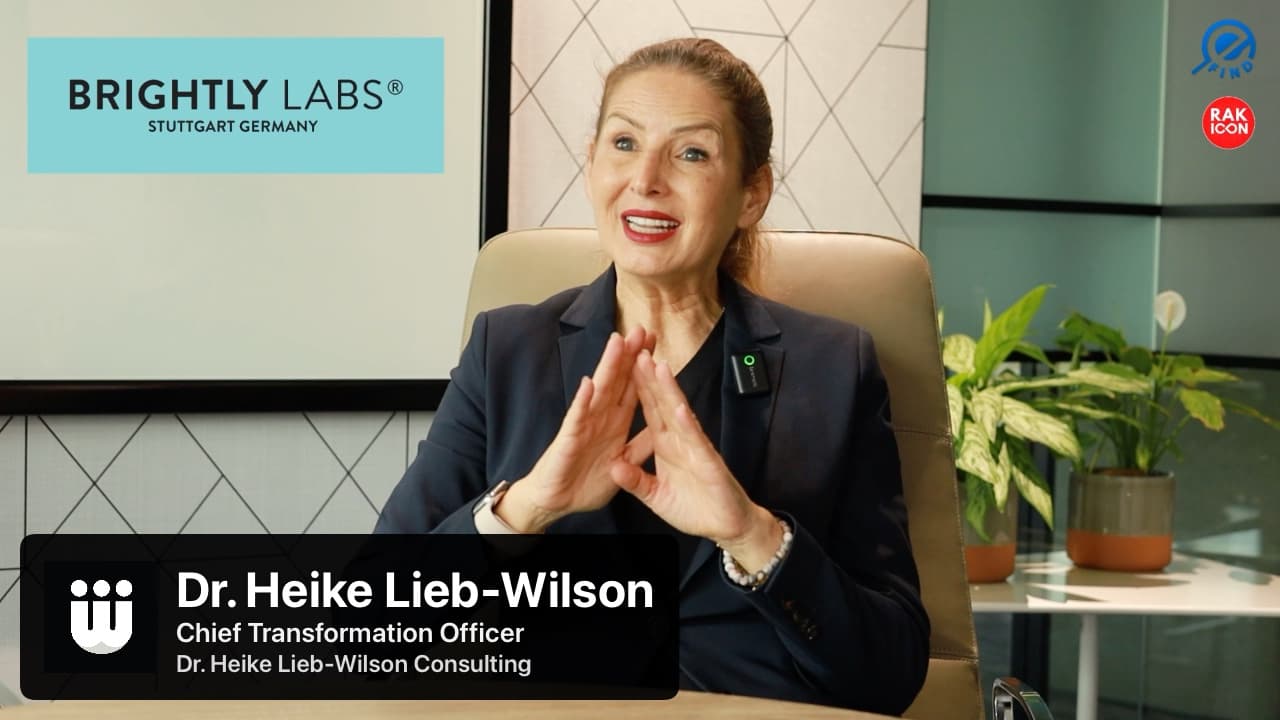
Dr. Heike Lieb-Wilson
Chief Transformation Officer
Dr. Heike Lieb-Wilson Consulting
Find your digital marketing partner in RAK
Browse verified video interviews with RAK-based digital marketing leaders, agency founders, and SEO specialists — then connect directly.
Need Expert Help?
Get introduced to verified RAK business leaders who can help with digital marketing in Ras Al Khaimah. Tell us what you need and we will match you within 48 hours.