
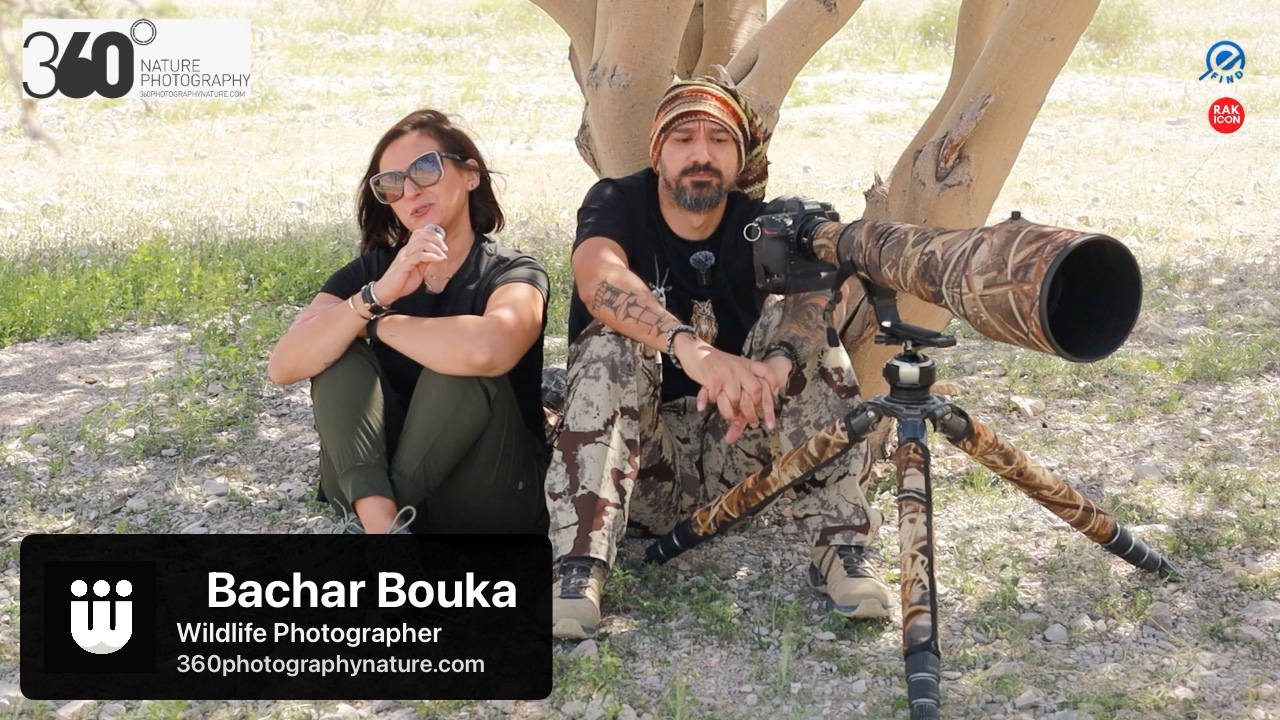
Wildlife Photography Journeys, with Bachar Bouka, who will guide you to Capture the Untamed Beauty of Nature in Ras Al Khaimah and in the UAE
About this episode
Wildlife Photography Journeys With Bachar Bouka, who will guide you, Capture the Untamed Beauty of Nature The website Wildlife Photography Journey serves as a digital gallery dedicated to documenting the majesty of the natural world through visual storytelling. This platform showcases an extensive collection of over five thousand images, highlighting the diversity of more than three hundred different species. Visitors can explore specific narratives featuring a variety of creatures, ranging from birds of prey like kestrel and vultures to mammals such as the Nubian ibex. The project emphasises the importance of environmental conservation and protection by highlighting the vulnerability of these wild subjects. With significant engagement from thousands of visitors, the site functions as both an artistic portfolio and an advocacy tool for animal welfare. Over eight unique story segments allow the audience to witness intimate moments in the lives of untamed wildlife. The following themes are central to the work presented: 1. Photography as a Tool for Public Awareness The sources emphasise that wildlife documentation is a "cornerstone of conservation and public awareness". The photographer, Bachar Bouka, believes that a single powerful image can inspire more action and emotion than numerous mediocre snapshots. This is reflected in the titles of the "Animals Stories" collection, which use evocative names to create an emotional bond between the viewer and the subject, such as: • "Save Me" (Rock Hyrax). • "Protect Me" (European Badger). • "Protection Works" (Egyptian Vulture). • "Second Chance" (Nubian Ibex). 2. Documenting At-Risk and Endangered Species A major theme is the visual cataloging of species on the UAE Local Red List, which highlights the disparity between local and global extinction risks. By photographing these animals, the work brings visibility to those facing high risks of local extinction, including: • Critically Endangered: Pharaoh Eagle-Owl, Egyptian Vulture, Barn Owl, and Wonder Gecko. • Endangered: Socotra Cormorant, Western Osprey, and Bonelli’s Eagle. • Vulnerable: Arabian Oryx, Arabian Gazelle, and the Egyptian Spiny-tailed Lizard. 3. Habitat Protection and Ecological Resilience The photography reflects a nationwide strategy to safeguard diverse ecosystems across the UAE. The collections are organized by habitat—sea and seashore, desert, wetland, and forest—underscoring the importance of protecting specific environments like coastal mangroves, coral reefs, and mountain wadis. The sources note that these areas are subject to systematic monitoring and restoration efforts, such as mangrove reforestation and dune stabilization, to ensure "ecological resilience". 4. Ethical Observation and Non-Intrusive Documentation Conservation is also reflected in the method of photography. The sources highlight the use of high-focal-length lenses (800mm) and extreme patience to document birds, mammals, and reptiles "without intrusion". This approach respects the animals' natural behaviour and survival instincts, particularly for sensitive species like the Pharaoh Eagle-Owl during its pre-nesting season. 5. Fostering Public Stewardship Finally, the theme of public stewardship is reflected through guided wildlife trips and exhibitions. By bringing people into "the heart of these wild encounters," the goal is to help residents and visitors reconnect with nature and understand the "hidden wildlife" that few people see, thereby encouraging a collective responsibility for its protection.
About WHO is WHO in RAK
WHO is WHO in RAK is the authoritative platform for discovering, understanding, and connecting with business leaders, entrepreneurs, and industry experts shaping Ras Al Khaimah and the broader Middle East economy.
Learn more about our mission