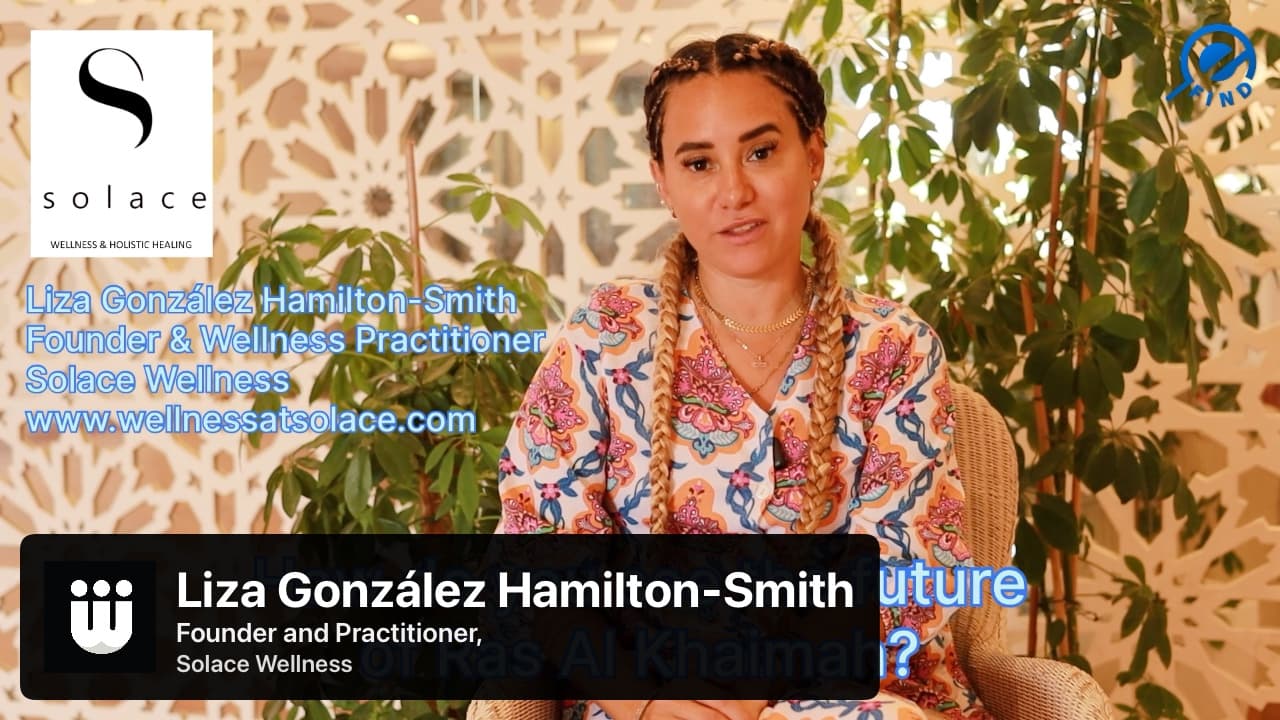
RAK Healthcare Leaders: How to Choose Quality Care
RAK Healthcare Leaders: How to Choose Quality Care
Healthcare decisions are among the most important choices we make—for ourselves, our families, and our businesses. In Ras Al Khaimah, a rapidly developing emirate with a growing population and expanding medical infrastructure, the options for dental care, general practice, specialist treatment, and wellness services have never been more abundant.
But abundance brings complexity. How do you identify the best dental clinic in RAK? What separates genuinely affordable healthcare from dangerously cheap shortcuts? How do you evaluate a specialist's credentials when you're facing a diagnosis that affects your quality of life?
We spoke with Ras Al Khaimah's leading healthcare professionals—dentists, clinic founders, medical directors, and wellness entrepreneurs—to build a practical guide for anyone navigating RAK's healthcare landscape. Their insights reveal what quality care truly looks like and how to find it.
The Stakes: Why Healthcare Quality Matters in RAK
Ras Al Khaimah's healthcare sector has evolved dramatically. From a handful of government clinics serving a sparse population, the emirate now hosts:
- Saudi German Hospital RAK: A 100-bed multi-specialty facility with advanced surgical capabilities
- RAK Hospital: A JCI-accredited hospital with comprehensive emergency, surgical, and maternity services
- Dozens of private clinics: Dental, dermatology, orthopaedics, paediatrics, fertility, aesthetics, and more
- Government health centres: The Ministry of Health and Prevention (MOHAP) operates primary care centres across the emirate
- Specialised wellness facilities: From physiotherapy to mental health counselling
This expansion means RAK residents no longer need to travel to Dubai or Sharjah for most medical needs. But it also means patients must become informed consumers, capable of evaluating options in a competitive marketplace.
The stakes are real:
- A poorly performed dental implant can lead to infection, bone loss, and costly remediation
- An undiagnosed chronic condition can escalate into an emergency
- Inappropriate aesthetic procedures can cause permanent damage
- Delayed or inadequate treatment affects work, family, and wellbeing
"Patients often come to us after a bad experience elsewhere," one RAK dental specialist told us. "They're not just seeking treatment—they're seeking reassurance that someone will take their problem seriously and fix it properly."
The Six Dimensions of Quality Healthcare in RAK
Our conversations with RAK's medical leaders revealed six dimensions that consistently distinguish excellent care from the merely adequate.
1. Credentials, Accreditation, and Continuing Education
In the UAE, medical practitioners must hold valid licenses from relevant authorities (MOHAP, Dubai Health Authority, or Department of Health Abu Dhabi, depending on jurisdiction). But the minimum requirements are just that—minimum.
RAK's leading healthcare professionals go further:
- International training: Many top dentists and doctors trained in Europe, North America, or leading Asian institutions before practising in the UAE
- Specialist fellowships: Beyond basic dental or medical degrees, specialists pursue additional years of focused training in implantology, orthodontics, endodontics, cosmetic procedures, etc.
- Professional memberships: Active participation in organisations like the Emirates Medical Association, International Congress of Oral Implantologists, or specialist societies
- Continuous education: The best practitioners attend conferences, complete certification courses, and train on new technologies annually
"I spend approximately AED 30,000 per year on continuing education," one RAK dentist shared. "New techniques in implantology, digital dentistry, and patient comfort are constantly evolving. If I'm not learning, my patients aren't getting the best care."
What to ask:
- Where did you train, and what specialist qualifications do you hold?
- Are you a member of any professional associations?
- How do you stay current with advances in your field?
- What technology and techniques have you adopted in the last two years?
2. Modern Technology and Evidence-Based Practice
Medical technology advances rapidly, and RAK's best clinics invest aggressively to stay current. But technology alone doesn't guarantee quality—it must be paired with evidence-based decision-making.
Leading RAK dental and medical clinics feature:
- Digital radiography: CBCT (Cone Beam Computed Tomography) for 3D imaging, digital X-rays with lower radiation exposure
- CAD/CAM systems: Same-day crowns, bridges, and veneers designed and milled in-clinic
- Laser dentistry: For gum treatments, cavity preparation, and soft tissue procedures with reduced pain and faster healing
- Electronic health records: Comprehensive, accessible patient histories that prevent errors and enable coordinated care
- Telemedicine capabilities: Remote consultations for follow-ups, preliminary assessments, and specialist referrals
"We invested over AED 500,000 in our digital dentistry suite," one clinic director explained. "But the real value isn't the equipment—it's how we use it. Every treatment plan is based on evidence, not sales targets."
Red flags:
- Clinics that push the most expensive treatment as the only option
- Outdated equipment that produces unclear diagnostics
- Practitioners who dismiss newer techniques without evidence-based reasoning
- Treatment plans that vary dramatically from clinic to clinic without clear explanation
3. Transparent Communication and Informed Consent
Quality healthcare is built on trust, and trust is built on clear communication. RAK's most respected medical professionals excel at explaining complex matters in accessible language.
Expect from a quality provider:
- Clear diagnosis explanation: What the problem is, what caused it, and what happens if untreated
- Treatment options: Not a single prescribed path, but a discussion of alternatives with pros, cons, and costs
- Realistic outcomes: Honest discussion of success rates, recovery timelines, and potential complications
- Informed consent documentation: Written agreements that detail procedures, risks, and alternatives
- Post-treatment care instructions: Clear guidance on recovery, follow-up, and warning signs
"I spend more time talking than treating some days," one RAK orthodontist admitted. "A patient who understands their treatment is a patient who follows instructions, gets better results, and refers their friends."
4. Hygiene, Safety, and Protocol Rigor
Infection control is non-negotiable in healthcare. RAK's leading clinics maintain rigorous protocols that meet or exceed international standards.
What to observe:
- Sterilisation procedures: autoclaves for instruments, single-use disposables where appropriate
- Clean, organised treatment environments
- Staff using appropriate personal protective equipment (PPE)
- Clear protocols for medical waste disposal
- Emergency equipment and medications readily available
Accreditation to look for:
- JCI (Joint Commission International) accreditation for hospitals
- ISO certification for clinic management systems
- MOHAP inspection compliance documentation
- Specific infection control certifications for staff
"Patients should feel comfortable asking about our sterilisation protocols," a RAK clinic manager emphasised. "We keep records of every cycle, every load, every instrument. Transparency in safety isn't optional—it's fundamental."
5. Patient-Centred Care and Cultural Sensitivity
Ras Al Khaimah's population is extraordinarily diverse. Quality healthcare providers recognise this and adapt their approach accordingly.
Hallmarks of patient-centred care in RAK:
- Multilingual staff: Arabic, English, Hindi, Urdu, Tagalog, and other languages spoken by clinical and support staff
- Gender-sensitive options: Female doctors and dentists available for patients who prefer them
- Cultural awareness: Understanding of fasting schedules during Ramadan, dietary restrictions, family involvement in medical decisions, and modesty considerations
- Flexible scheduling: Evening and weekend hours to accommodate working patients
- Financial transparency: Clear pricing, payment plans, and assistance with insurance claims
"We have patients from over forty nationalities," one medical director noted. "A grandmother from Kerala has different expectations than a young professional from Cairo. Our job isn't to impose one standard—it's to understand each patient and meet them where they are."
6. Track Record, Reviews, and Community Reputation
In a close-knit community like Ras Al Khaimah, reputation travels. The healthcare providers who have served RAK for years, who are recommended at social gatherings, and who treat multiple generations of the same family—these are the providers worth trusting.
How to evaluate reputation:
- Longevity: How long has the clinic or practitioner operated in RAK?
- Referral patterns: Do other medical professionals refer patients to them?
- Patient reviews: Look for detailed reviews that mention specific procedures, not just generic praise
- Before-and-after documentation: For dental and aesthetic procedures, reputable providers maintain records (with consent) that demonstrate consistent results
- Word of mouth: Ask colleagues, neighbours, and friends for their experiences
"I've been practising in RAK for eighteen years," one dentist told us. "My best marketing isn't Instagram ads—it's a mother who trusts me enough to bring her children, then her parents. That trust is earned over years, not bought."
Spotlight: RAK's Healthcare Leaders Speak
Our interview series with Ras Al Khaimah's medical professionals uncovered powerful stories of dedication, innovation, and patient advocacy.
On Building a Clinic from Nothing
One dental clinic founder described his journey: "I arrived in RAK with my degree, my limited Arabic, and a vision. I worked as an associate in another clinic for three years, learning the market, building relationships. When I opened my own practice, my first patient was a taxi driver who had saved for months to fix a painful molar. I treated him, he told everyone he knew, and within a year I had a waiting list."
On Affordability vs. Quality
The tension between cost and quality is real in RAK's healthcare market. Our interview subjects addressed it directly.
"Affordable doesn't mean cheap," one clinic owner clarified. "It means fair pricing for the value delivered. We use high-quality materials, pay our staff well, and maintain modern equipment. That costs money. But we also offer payment plans, accept a wide range of insurance, and never recommend unnecessary treatments. That's how we keep care accessible without cutting corners."
Another practitioner added a warning: "If a dental implant costs 50% less than the market rate, ask why. Is it inferior materials? Inexperienced staff? Hidden costs that appear later? Your health isn't a place to bargain hunt."
On the Future of RAK Healthcare
RAK's healthcare leaders are optimistic about the emirate's trajectory.
"When I started here, patients with serious conditions went straight to Dubai," one medical director recalled. "Now we handle complex cases locally. The next step is attracting subspecialists—advanced oncology, complex cardiac care, paediatric surgery—to make RAK a true medical destination, not just a convenient option."
Another leader emphasised prevention: "The UAE's national health agenda prioritises reducing chronic disease through early intervention. In RAK, we're building screening programs, wellness clinics, and community education initiatives. The future isn't just treating illness—it's keeping people healthy."
Navigating Affordable Healthcare in RAK: A Practical Guide
Quality care and reasonable costs aren't mutually exclusive. Here's how to find both in Ras Al Khaimah.
Insurance and Coverage
Most RAK residents have health insurance—mandatory for employees under UAE labour law. But coverage varies:
- Basic plans: Often cover general practice, emergencies, and basic dental (typically extractions and fillings)
- Comprehensive plans: May include specialist consultations, advanced dental (crowns, implants, orthodontics), and elective procedures
- Network restrictions: Some plans limit you to specific clinics; others offer broader choice with different co-payment structures
Action steps:
- Review your insurance policy's coverage details, exclusions, and network providers
- Confirm whether pre-authorisation is required for specialist visits or procedures
- Ask clinics directly if they accept your insurance and what your out-of-pocket costs will be
Government and Charitable Options
For residents without comprehensive insurance, RAK offers alternatives:
- MOHAP health centres: Provide affordable primary care, dental services, and specialist referrals at subsidised rates for UAE nationals and some resident categories
- Corporate wellness programs: Some RAK employers offer on-site clinics, annual health screenings, and wellness incentives
- Charitable initiatives: Occasional free screening campaigns, dental camps, and specialist visiting clinics organised by community organisations
Payment Plans and Negotiation
Many RAK clinics offer:
- Interest-free instalment plans for expensive treatments
- Package pricing for multiple procedures
- Discounts for upfront payment
- Family plans covering multiple members
"Never be embarrassed to discuss cost," one clinic administrator advised. "We want to help. If a treatment plan exceeds your budget, we'll discuss alternatives, prioritise urgent needs, and find a payment structure that works. Silence about money leads to delayed treatment, which becomes more expensive."
Special Focus: Dental Care in RAK
Dental health deserves special attention because it's both frequently needed and often misunderstood. RAK residents commonly seek:
Routine Care
- Cleanings, check-ups, and preventive treatments
- Fillings, extractions, and basic restorations
- Generally affordable and often covered by insurance
Advanced Procedures
- Dental implants: Titanium posts replacing missing teeth, topped with crowns
- Orthodontics: Braces and clear aligners for alignment correction
- Cosmetic dentistry: Veneers, whitening, smile makeovers
- Periodontal treatment: Gum disease management and surgery
- Endodontics: Root canal therapy and related procedures
These advanced procedures require specialist expertise and carry significant costs. Choosing the right provider is critical.
Choosing a RAK Dental Specialist: Checklist
- Verify qualifications: university, specialist training, years of experience
- Request to see case documentation: before-and-after photos (with patient consent)
- Ask about technology: digital impressions, 3D imaging, CAD/CAM, laser options
- Discuss materials: implant brands, crown materials, whitening systems
- Confirm warranty: what happens if a crown breaks or an implant fails?
- Evaluate communication: do you feel heard, informed, and comfortable?
- Check reviews: specific mentions of your planned procedure
Final Thoughts: Your Health, Your Choice
Ras Al Khaimah's healthcare landscape offers more options, better technology, and higher standards than ever before. But the ultimate responsibility for choosing quality care rests with you as the patient.
Ask questions. Seek second opinions. Verify credentials. Read reviews. And trust your instincts—if a clinic feels rushed, secretive, or pushy, walk away.
The best healthcare providers in RAK welcome informed patients. They appreciate questions. They document their reasoning. They build relationships that last years, not transactions that last minutes.
Your health is worth the effort.
Watch the Leaders in Action
Want to hear directly from Ras Al Khaimah's healthcare leaders? Visit WHO is WHO in RAK for exclusive video interviews with the doctors, dentists, and clinic founders who are raising medical standards across the emirate. Learn from their experiences, understand their philosophies, and discover the people behind the practices.
Have a positive healthcare experience in RAK to share? Tag your provider and help others find quality care. Together, we raise the standard for everyone.